



Consciousness: Brain, Soul, Spirit and the Question of God explores one of humanity’s deepest mysteries: what does it mean to experience, think and be aware?
Written from an evangelical Christian perspective, this book brings neuroscience, philosophy and biblical reflection into conversation. It examines leading theories of consciousness, the relationship between brain, soul and spirit, near-death experiences, free will and the ways human experience can be influenced. It also considers whether artificial intelligence could become conscious and how Revelation 13’s speaking image should be understood.
With four infographics, nine tables and an extensive bibliography, this thoughtful exploration distinguishes scientific findings from philosophical arguments and statements of faith, inviting readers to reflect on human dignity, responsibility and hope in God.
The Violent World Behind Video Games explores the history of gaming, online communities, addiction, and the boundaries between fantasy and reality. It examines military simulation, drones and the war in Ukraine, alongside Christian reflections on violence, human dignity and responsibility. Research, infographics and tables support a balanced assessment of gaming’s benefits, risks and future.

Touch Between Body and Soul is a biopsychosocial and ethical exploration of human touch. Gerard Feller examines how touch is processed by the skin, nervous system and brain, while also considering its emotional, relational and spiritual significance.
Drawing on neuroscience, pain science, psychology, trauma-informed care, sexology and Christian ethics, the book discusses social connection, therapeutic touch, chronic pain, intimacy, consent, abuse, sensory vulnerability, pastoral care and grounding. It shows how touch can provide comfort, safety and connection, but may also become harmful when boundaries, consent or differences in power are ignored.
Written for general readers, pastoral workers and healthcare professionals, this carefully researched book offers a balanced framework for understanding touch as both a physical experience and a deeply personal form of human communication.

This essay explores the fascinating relationship between neurophysiology and neurotheology. Drawing on recent scientific insights, it describes how brain networks are involved in identity, conscience, connectedness, volitional intention, awareness of God and spiritual maturity.
The essay also examines the complex interaction between faith and mental health. Topics such as trauma, depression, anxiety, obsessive-compulsive disorder, psychosis and religious experiences are discussed with care. Faith can offer meaning, hope and connection, but it can also become intertwined with feelings of guilt, spiritual struggle or psychological disturbance.
The essay avoids both a reductionist explanation of faith and a denial of human biological vulnerability. Neuroscience and theology are presented as distinct yet complementary perspectives on the human person.
An accessible and nuanced essay for readers interested in the brain, faith, psychology, pastoral care and mental healthcare.

Relational Brain Skills — Development, Recovery and Spiritual Growth
How do we learn to connect, trust, understand emotions and repair relationships? How can these abilities develop throughout life—and what role does Christian faith play?
Relational Brain Skills brings together neuroscience, psychology and an evangelical Christian perspective to explore these questions. It explains how attachment, upbringing, stress and difficult experiences influence relational development, and introduces important thinkers who have shaped our understanding of the social brain.
Practical chapters examine listening, empathy, emotional regulation, boundaries and repair after conflict. The book also discusses therapeutic approaches and the contribution of safe relationships, professional care and supportive communities.
A distinctive section explores being born again, sanctification and the renewal of our relationship with God. It considers why genuine faith can coexist with old emotional patterns, and how Scripture, prayer, obedience and community can support ongoing growth.
Throughout, the book carefully distinguishes scientific findings, theoretical models and theological convictions. It offers a hopeful, realistic approach to change, allowing room for vulnerability, gradual learning and appropriate help.
This 64-page FellerBooks edition includes 40 chapters, four infographics, six tables, reflection questions, a Bible reading guide and 39 references. Suitable for personal study, parents, pastoral workers and Christian discussion groups.

Master Handbook of Pastoral Counseling from a Biblical Perspective is a comprehensive guide for pastors, Christian counselors, church leaders, pastoral teams, and students seeking to provide responsible, compassionate, and biblically grounded care.
Gerard Feller presents an integrative approach that respects Scripture while recognizing the importance of psychological, medical, and social knowledge. The handbook addresses pastoral assessment, healthy boundaries, communication, psychosomatic symptoms, conscience, guilt and shame, identity, spiritual growth, relational skills, Christian assertiveness, prayer, renewal of the mind, deliverance ministry, and collaboration with professional care providers.
Practical questionnaires, case studies, decision pathways, infographics, reflection questions, and structured homework exercises help readers translate biblical principles into careful pastoral practice. Special attention is given to safety, ethical responsibility, trauma awareness, referral, confidentiality, and the limits of pastoral counseling.
Rather than offering simplistic answers to complex human suffering, this handbook encourages discernment, humility, prayerful presence, and cooperation within the local church and the wider network of professional care.
An extensive resource for anyone committed to helping people move toward spiritual maturity, healthier relationships, renewed thinking, and hope in Christ.

This book explores how faith, behaviour, emotions, relationships and physical health are interconnected from a biblical perspective. It offers a balanced approach to psychosomatic complaints, bringing together pastoral care, medical insight and psychological understanding. Biblical reflections, practical questions and clear infographics encourage compassionate and responsible care.
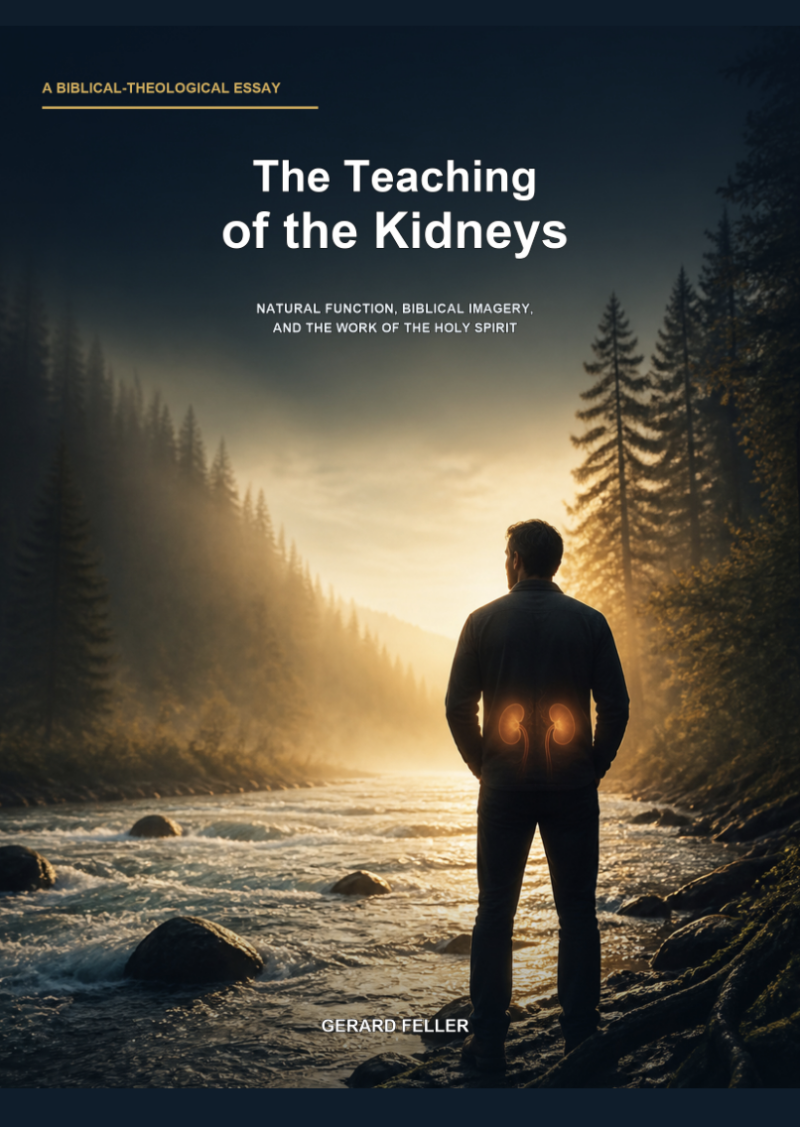
The Teaching of the Kidneys explores the kidneys as both remarkable organs of the human body and powerful biblical symbols of the inner life. Combining medical insights, Hebrew and Greek word studies, biblical commentary, and clear infographics, Gerard Feller reflects on God’s creative wisdom and the renewing work of the Holy Spirit.
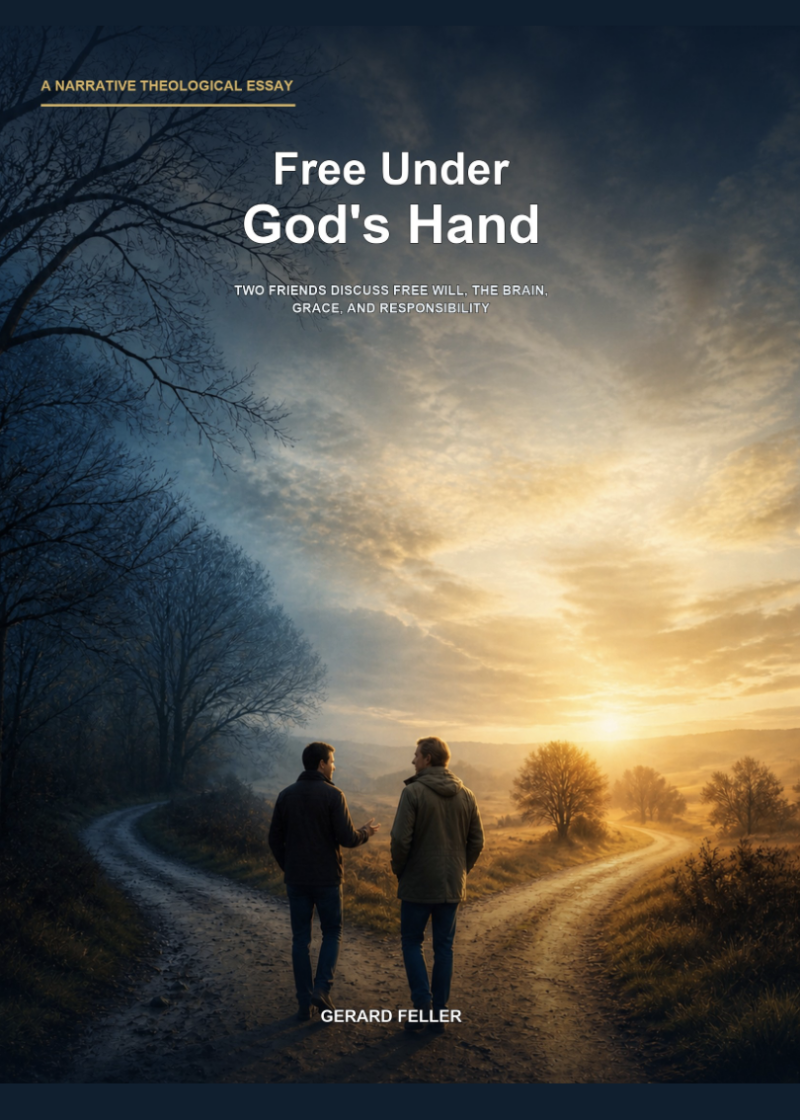
Two friends explore the relationship between human free will and God’s sovereignty. Through thoughtful conversations, they examine the influence of the brain, upbringing, desire, sin, and grace while comparing different Christian perspectives. An accessible and engaging reflection on freedom, responsibility, and living under God’s hand.

Stress Management: Body, Mind, and Spirituality in an Integrated Perspective is a comprehensive multidisciplinary essay exploring stress from physiological, psychological, social, and spiritual perspectives.
The book explains the difference between eustress and distress and offers an accessible account of the body’s stress systems, including the autonomic nervous system, the HPA axis, cortisol regulation, immune processes, and the effects of prolonged stress on the brain and body. It examines how chronic stress can influence physical health, emotions, cognition, relationships, work, faith, and a person’s sense of meaning.
Special attention is given to anxiety, depression, trauma, burnout, sleep problems, perfectionism, moral distress, spiritual struggle, and harmful forms of religious coping. From a Christian perspective, the book presents human beings as integrated persons whose body, mind, relationships, and spirituality continually interact.
Alongside its scientific and theological foundations, the book provides practical strategies for recovery and prevention. These include improving sleep, exercise and pacing, breathing techniques, emotional regulation, healthy boundaries, social support, prayer, Sabbath, community, and professional care. Infographics, tables, practical worksheets, and a twelve-week recovery plan help readers apply these insights in everyday life.
A thoughtful and practical resource for readers interested in stress management, neuroscience, psychology, pastoral care, Christian spirituality, healthcare, and personal wellbeing.